
 See Our Latest Article on HelloNation
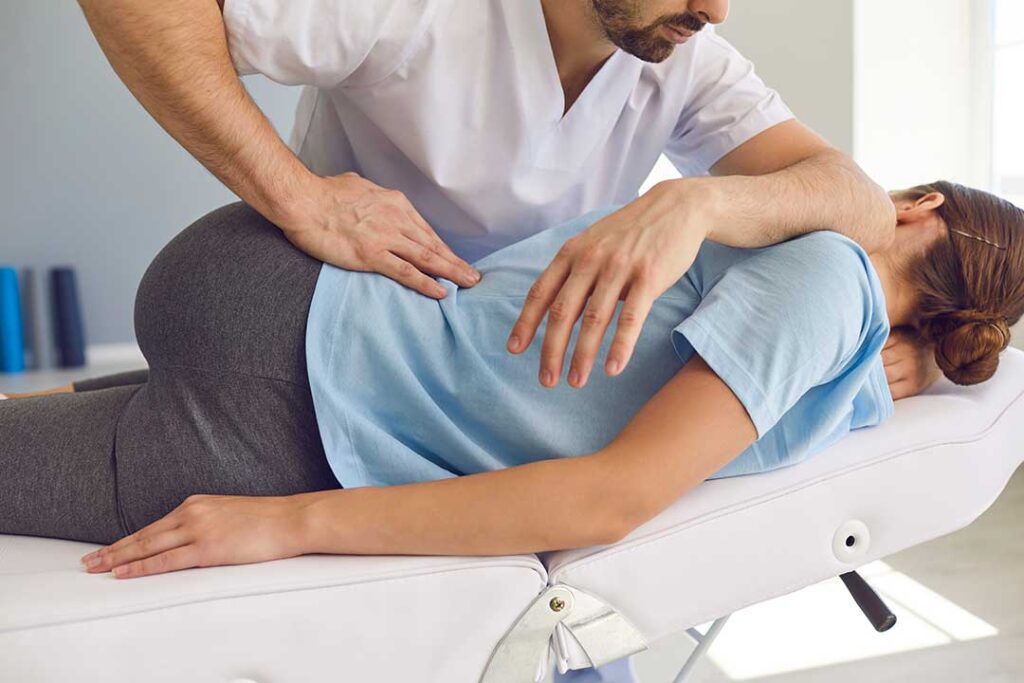
What Does Chronic Pain Mean for Potsdam, NY Residents?
Chronic pain refers to discomfort lasting weeks, months, or longer, often persisting after an initial injury or occurring without a clear cause. In a place like Potsdam, NY, where winter weather, fluctuating humidity, and an active outdoor lifestyle can sometimes worsen aches, managing ongoing pain becomes a daily reality for many. Chronic pain can affect more than just the body; it impacts mood, energy, and daily routines, making effective management crucial for maintaining quality of life.
How Can Home Routines Support Pain Management?
Consistent daily habits can have a significant impact on chronic pain. For Potsdam residents, routines that balance movement and rest help prevent joints and muscles from becoming stiff or excessively strained.
- Start each day with gentle stretching, focusing on the neck, back, and hips.
- Schedule breaks to stand and move, particularly during colder seasons when people tend to stay indoors.
- Use heating pads or warm baths, especially after shoveling snow or walking outdoors in winter, to relax tense muscles.
- Find comfortable ways to alternate between sitting, standing, and light activity throughout the day.
Simple home practices, performed regularly, can provide cumulative relief over time.
What Kinds of Low-Impact Exercise Help Chronic Pain?
Low-impact physical activity helps manage pain by improving strength, flexibility, and blood flow, while reducing stiffness often worsened in Potsdam’s cold months. Residents often find these exercise options accessible and effective:
- Walking on local trails or in nearby parks, choosing safe paths during icy conditions
- Gentle stretching or yoga, using online videos or local classes
- Water-based exercise, if access to a pool is available, as the buoyancy reduces joint stress
- Stationary cycling or home exercise equipment for those with mobility concerns in the winter
The key is to start slowly and increase activity as tolerated, avoiding exercises that increase pain or cause fatigue.
How Can Residents Manage Flare-Ups Safely at Home?
Flare-ups—periods when pain spikes—are common. Managing these episodes is often about balancing rest and activity without becoming completely inactive. At home in Potsdam, consider:
- Using ice packs during acute inflammation or after activity to reduce swelling
- Applying gentle heat for persistent muscle tension, especially after outdoor chores
- Adjusting sleeping positions or using pillows for added support at night
- Practicing deep breathing, mindfulness, or relaxation exercises to manage stress, which can amplify pain sensations
If severe pain, numbness, or sudden changes develop, it is important to review safety guidelines and, if needed, seek appropriate help.
What Are Common Misconceptions About Chronic Pain Self-Care?
Many believe that total rest is the safest way to handle chronic pain, but being still for long periods can actually lead to increased stiffness and discomfort. Another myth is that pain always signals ongoing injury—chronic conditions may cause pain even when tissues are stable.
- Gentle movement is typically helpful unless a specific condition requires strict rest.
- Pain levels can fluctuate with weather changes, stress, or activity; this does not always mean harm is being done.
Local understanding and honest self-assessment can guide effective self-care without causing unnecessary worry.
How Do Sleep and Stress Influence Chronic Pain in This Community?
Sleep disturbances and stress are both common and can make pain harder to control. Area residents sometimes report that cold nights or stress from busy seasons disrupt rest. Addressing these factors can promote healing and reduce pain intensity:
- Establish a consistent bedtime routine, keeping the bedroom dark and at a comfortable temperature
- Avoid screens and caffeine in the hour before sleep
- Use relaxation techniques, such as deep breathing, meditation, or gentle stretching in the evening
- Seek support from loved ones or local community organizations to manage stress during challenging times
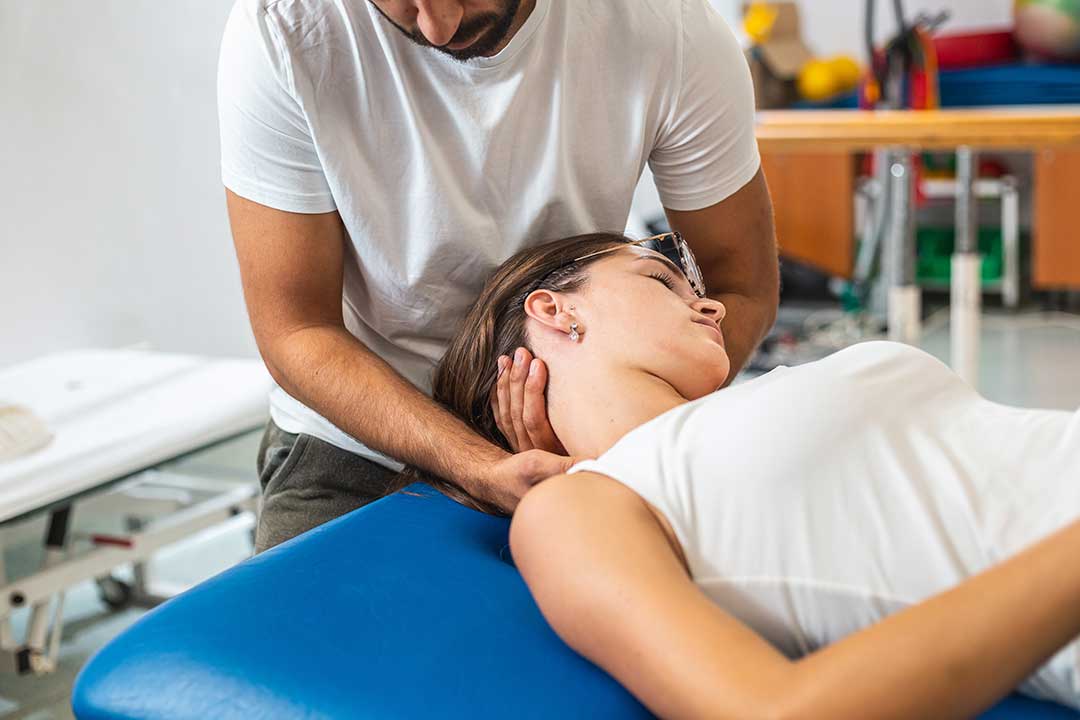
Prioritizing sleep and stress management supports overall wellness and can make daily pain less overwhelming.
Are There Everyday Ergonomic Changes That Help?
Small adjustments to how tasks are performed at home and work can prevent unnecessary pain. In the city, consider:
- Adjusting chair height so feet rest flat and knees stay level with the hips
- Using cushions or rolled towels to support the lower back when sitting for long periods
- Lifting with the legs rather than the back, especially when handling winter gear or groceries
- Keeping work and hobby spaces organized to avoid excessive reaching or awkward positions
Tuning in to body signals and making minor adjustments can make household chores and desk work more comfortable.
How Can Weather and Seasonal Patterns in Potsdam Affect Pain?
Many local residents notice that joint or muscle pain worsens with Potsdam’s long, cold winters or stormy, humid stretches. While research is mixed, weather sensitivity is real for many people. Strategies to minimize discomfort include:
- Dressing in layers and keeping extremities warm outdoors
- Using home heating to maintain a steady, comfortable indoor temperature
- Allowing extra time for outdoor activities, especially when sidewalks are icy or snow-covered
- Staying active indoors on days when outdoor exercise isn’t practical
Adapting routines to fit seasonal changes helps reduce sudden flare-ups.
What Community Resources or Approaches Can Area Residents Benefit From?
While self-care is central to daily management, utilizing available community features can enhance outcomes. Residents often find benefit in:
- Participating in low-impact exercise or wellness classes through local recreation facilities
- Joining local support groups or online forums for shared experiences and encouragement
- Following trusted educational resources from area health educators
Combining personal self-care with local opportunities empowers people to manage pain effectively throughout the year.
