
 See Our Latest Article on HelloNation

How Do You Know If You Might Need a Chiropractic Adjustment?
Many residents of Potsdam, NY experience back pain, stiffness, or discomfort at some point, but it’s not always clear when these signs actually suggest a need for a chiropractic adjustment. While not every ache requires intervention, certain symptoms may indicate issues within the joints, spine, or musculoskeletal system. Knowing these signals can help individuals make informed choices about their everyday comfort and health.
What Physical Symptoms Suggest Possible Joint or Spine Issues?
Physical discomfort is the most common way people recognize a potential problem. Not all soreness is created equal—some signals might suggest alignment issues that could benefit from a chiropractic approach.
Typical symptoms include:
- Persistent or recurring neck or back pain, especially if it develops after activities common in the area, like clearing snow or yard work
- Stiffness in the neck, back, or shoulders that doesn’t improve with stretching or rest
- Uneven wear on footwear, sometimes visible after walking through slush or muddy spring sidewalks
- Regular headaches that seem to originate from muscle tension along the neck or upper back
- Reduced flexibility or range of motion, such as difficulty turning the head while driving on local roads
- Noticeable popping or crackling in joints accompanied by discomfort
Muscle soreness from weekend recreation on the Raquette River or playing sports in public parks may subside with typical rest and self-care. But if discomfort lingers, intensifies, or becomes routine, it’s wise to pay closer attention.
Are Poor Posture and Daily Habits in Potsdam a Factor?
Local routines and work environments—such as desk jobs at educational institutions, healthcare, or local businesses—frequently affect musculoskeletal health. Extended periods sitting at a computer or studying can contribute significantly to tension, rounded shoulders, and misalignment.
Residents may notice:
- Tired, aching shoulders or upper back after a day at the desk or in class
- A tendency to slouch, even after trying to correct posture
- Numbness or tingling in hands or feet, which can suggest nerve impingement from spinal misalignment
Seasonal changes can also influence habits in Potsdam, as winter months lead to more time spent indoors and potentially less frequent movement or stretching.
What About Chronic Aches That Seem Unrelated to Injury?
Chronic discomfort doesn’t always result from a memorable accident or injury. Sometimes, subtle or even unnoticed events—carrying heavy groceries on icy walkways, lifting children, or managing outdoor chores—may stress the spine.
Misconceptions persist that chiropractic care is only meant for serious injuries or obvious back pain. In reality, subtle signs can include:
- Recurring tightness or muscle spasms, especially along the lower back or neck
- A general sense of imbalance or feeling “off” during daily movement
- Frequent need to readjust seating or pillows for comfort, either at home or during commutes in and around the city
How Do Alignment Problems Affect Everyday Life in the Area?
When the spine and joints are out of alignment, nerve flow and muscle function can be affected. This may not only cause pain but also limit participation in typical area activities like gardening, community events, or walking local trails.
You might notice:
- Fatigue or achiness after light physical activity, such as walking the dog or shoveling snow
- Clumsiness or lack of coordination, making routine tasks more difficult
- Disrupted sleep due to discomfort, tossing and turning, or waking up sore
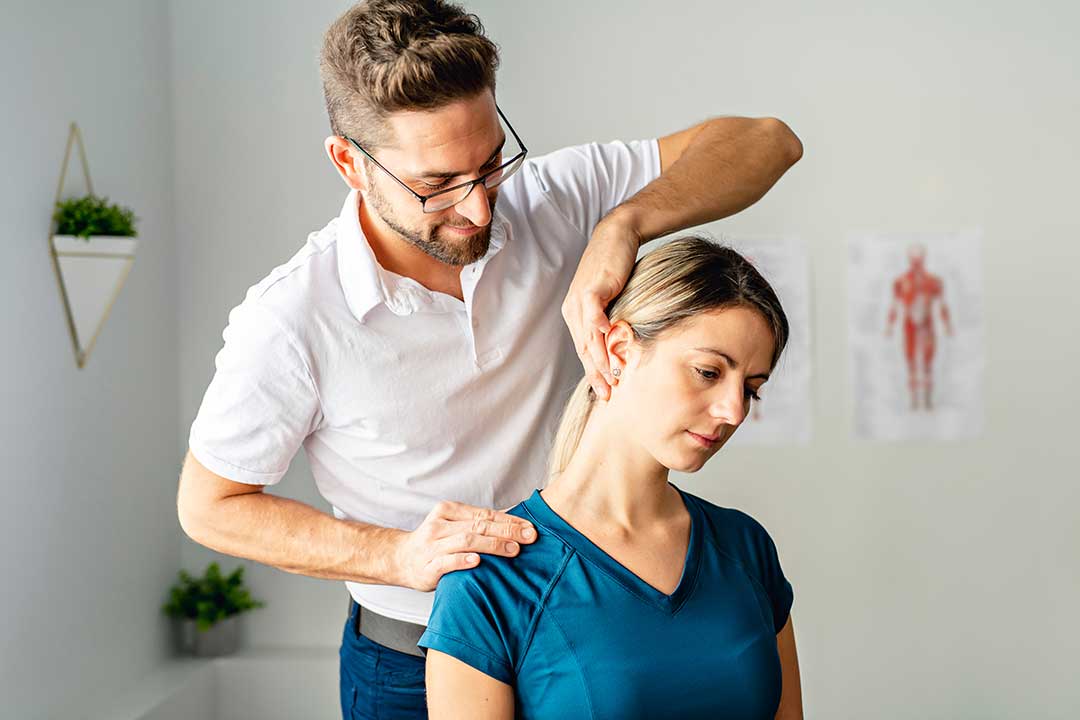
These issues can develop gradually and sometimes feel like normal aging or everyday stress, but persistent patterns may have an underlying alignment component.
Can Chiropractic Adjustments Help with Headaches or Jaw Pain?
Headaches and temporomandibular joint (TMJ) discomfort are often overlooked as potential signs of alignment problems. Tension or misalignment in the neck or upper spine may contribute to:
- Tension headaches that spread from the neck upward
- Pain near the jaw, ear, or temples, especially while chewing or talking
- Clicking sounds in the jaw paired with soreness
If these symptoms are common and have not responded to home measures or regular rest, it may be worthwhile to consider possible structural causes.
What Should Local Residents Watch Out for During Seasonal Activities?
Potsdam’s seasonal conditions can influence how joint and spine symptoms present themselves:
- Snow and ice during winter months often lead to more slips, overexertion, or muscle strain while shoveling or maneuvering through challenging outdoor conditions.
- Summer brings increased outdoor recreation, gardening, and sporting events, all of which can introduce repetitive stress or sudden movements.
For area households, recurring pain or stiffness after these activities—especially if it persists—could relate to alignment issues rather than simple muscle fatigue.
Are There Signs That Suggest Consulting a Health Professional?
While many symptoms can be managed with self-care—heat, gentle movement, good posture, or rest—certain concerns may warrant professional assessment:
- New numbness, tingling, or loss of strength in limbs
- Severe or worsening pain after a fall or accident
- Persistent pain affecting daily activities, work, or sleep
If any of these situations develop, a local healthcare provider can help determine the safest and most effective next steps.
