
 See Our Latest Article on HelloNation
What Is a Subluxation?
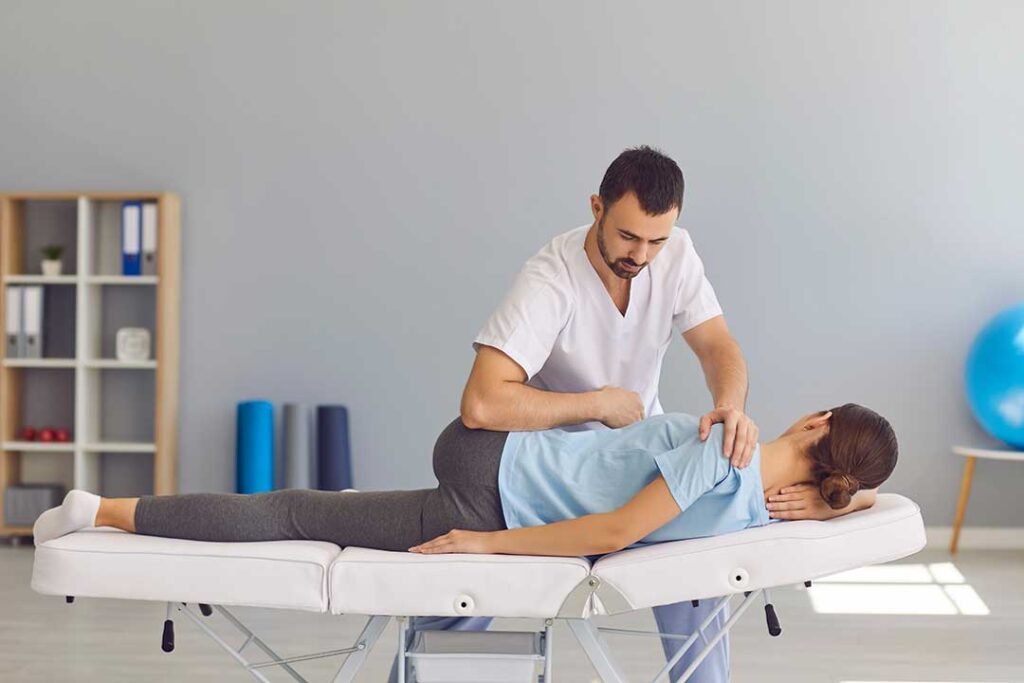
A subluxation is a term frequently used in chiropractic care to describe a slight misalignment or movement of the bones in the spine, known as vertebrae. Unlike a dislocation, which involves significant displacement of a joint or bone, a subluxation refers to an area where a vertebra is not situated quite as it should be. This shift can affect how nerves, muscles, and the overall spinal column function.
In simple terms, a subluxation can create a minor interruption in the normal movement and alignment of the spine. In day-to-day life across Potsdam, things like lifting heavy snow shovels, long hours spent at a desk, or even a slip on icy sidewalks can all contribute to these small joint shifts. While subluxations may not always cause immediate pain, they can nonetheless have noticeable effects on how the body feels and functions.
How Might a Subluxation Affect Daily Life?
Even without severe pain, a subluxation can influence mobility and comfort. When a vertebra is slightly out of place, it can irritate surrounding nerves or muscles, sometimes causing symptoms such as:
- Localized discomfort or soreness, particularly after physical activity
- A sensation of stiffness or reduced flexibility, especially in the morning
- Occasional numbness, tingling, or muscle weakness in arms or legs
- Headaches that seem related to neck tension
For residents who bike along Clarkson trails, work in local schools, or tackle projects at home, small movement patterns—like repetitive lifting or poor sitting posture—can increase the risk of experiencing a subluxation. Adjusting daily habits or paying attention to body mechanics becomes especially important in these scenarios.
Why Do Chiropractors Focus on Subluxations?
Chiropractic professionals use the term "subluxation" to describe one of the most common issues that their approach aims to address. By identifying areas where the spine is not moving correctly, care can be tailored to improve function and ease tension. The underlying idea is that proper alignment of the spine helps the nervous system communicate effectively throughout the body, supporting overall well-being.
It's worth noting that outside of chiropractic, the term "subluxation" might be defined differently in medical texts, often referring to more significant joint misalignments. In chiropractic, however, the emphasis is on subtle, functional restrictions that impact daily movement and comfort. Some misconceptions exist—such as thinking subluxations are always dramatic or easily visible on X-rays—but in reality, they are often quite subtle and require hands-on assessment.
What Are Common Causes and Triggers in Potsdam?
The climate and lifestyle patterns of Potsdam can influence how frequently subluxations occur. Some contributing factors may include:
- Seasonal weather changes: Cold winters can make muscles and joints stiffer, while icy sidewalks increase the risk of slips and minor falls.
- Active outdoor lifestyles: Gardening, hiking local trails, or carrying sports gear often require repetitive bending, lifting, and twisting.
- Sedentary routines: Prolonged sitting at computers or classroom desks can lead to poor posture, which may contribute to spinal misalignments.
- Carrying heavy backpacks: Children and college students who regularly carry loaded bags may experience back or neck stress over time.
Awareness of these triggers can help area households recognize when body mechanics might be placing unnecessary stress on the spine.
How Is a Subluxation Typically Recognized?
Many people are surprised to learn that mild subluxations sometimes cause no noticeable symptoms at first. The most common early signs are minor aches, stiffness, or a sense of “not moving right.” Others may only discover an issue after increased physical activity or a slight injury.
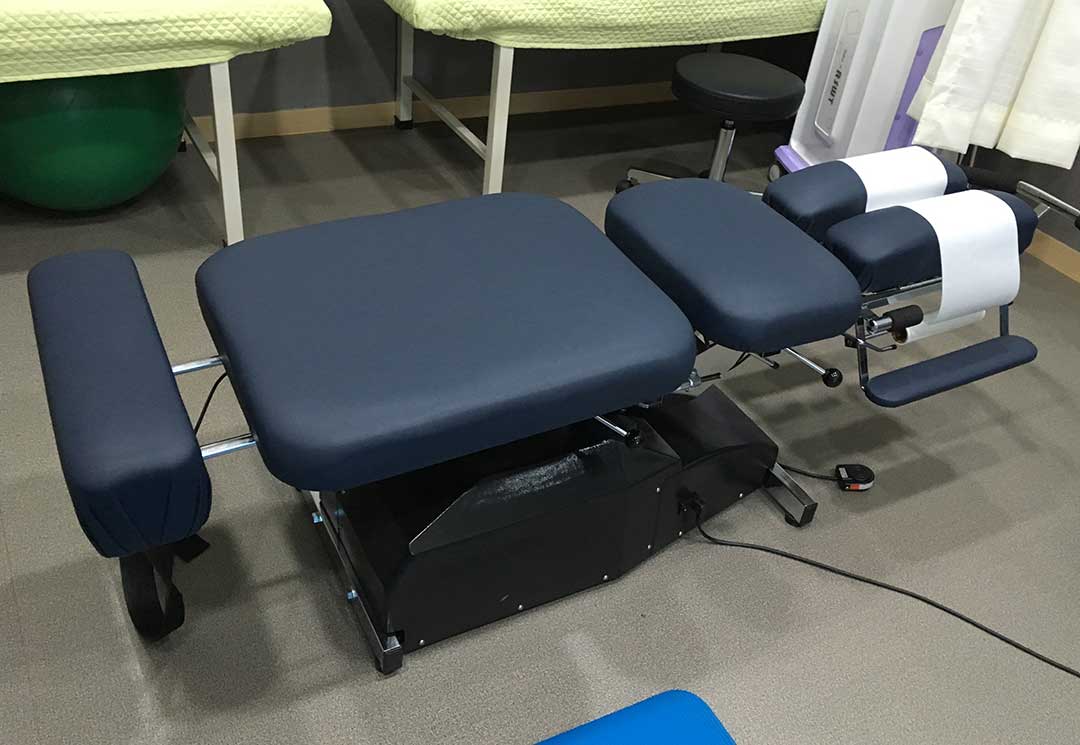
Chiropractors usually assess for subluxations with a combination of:
- Visual examination—watching for posture imbalances
- Palpation—gently feeling along the spine for restricted movement
- Questions about mobility, comfort, and daily life patterns
No single test alone confirms a subluxation. Instead, it is identified through a combination of physical signs and a person’s report of symptoms or activity limitations.
Do Subluxations Always Cause Pain?
Not every subluxation leads directly to pain. Some residents may only notice stiffness or limited movement, particularly after activity or long periods of stillness. Others—particularly those with physically demanding jobs or hobbies—may go months without obvious symptoms until an accident or repetitive strain develops into something more uncomfortable.
Ignoring low-level discomfort or stiffness may lead to longer-term issues, impacting mobility or making everyday tasks more challenging. This is particularly relevant for local households dealing with annual snow season, yard work, or periods of increased physical sprain.
What Are Local Prevention Tips for Reducing Risk?
While no one can prevent every minor joint misalignment, there are simple, practical steps that Potsdam residents can take to reduce the risk of subluxation-related issues:
- Regularly change positions when working or studying for long hours
- Invest in supportive seating with good lumbar support, especially for remote learning or home offices
- Warm up gradually before physical activity, especially during colder months
- Store heavy gear or groceries in rolling carts rather than carrying them over long distances
- Encourage proper backpack use—with both straps and lighter loads for students
Listening to the body and making small adjustments to movement patterns can go a long way to supporting spinal health in daily life.
