
 See Our Latest Article on HelloNation
Anxiety can affect thoughts, sleep, concentration, digestion, muscle tension, and daily routines. Chiropractic care may help some people feel more comfortable if anxiety is accompanied by neck pain, back pain, headaches, or physical tension, but current evidence does not show that spinal adjustments treat anxiety disorders directly.
For residents in Potsdam, understanding that distinction can help prevent unrealistic expectations and support safer decisions about care.
Can chiropractic care reduce anxiety?
Possibly, but mainly as part of managing related physical symptoms rather than treating the underlying anxiety disorder.
Chiropractic care commonly focuses on musculoskeletal concerns such as back discomfort, neck stiffness, joint problems, and movement limitations. If pain or muscle guarding is contributing to poor sleep, irritability, or a heightened stress response, improving comfort and mobility may make anxiety feel more manageable.
That is different from treating generalized anxiety disorder, panic disorder, post-traumatic stress disorder, or another diagnosed mental health condition. The National Center for Complementary and Integrative Health states that complementary approaches have not been proven effective as standalone treatments for anxiety disorders. ([nccih.nih.gov](https://www.nccih.nih.gov/health/anxiety-and-complementary-health-approaches?utm_source=openai))
Why might someone feel calmer after an adjustment?
Several factors may explain short-term relief without proving that an adjustment treats anxiety itself.
- Reduced neck, shoulder, or back tension may make the body feel less physically threatened.
- Gentle movement and hands-on care may encourage slower breathing and relaxation.
- Relief from pain can improve sleep, activity, and concentration.
- Setting aside time for a quiet, structured healthcare visit may temporarily reduce stress.
- Feeling heard and receiving a clear explanation of a physical problem can lessen uncertainty.
These effects can be meaningful, especially for someone whose anxiety increases when pain, muscle tightness, or poor sleep is present. However, feeling calmer after treatment is not the same as resolving the causes of an anxiety disorder.
Research on manual therapies and anxiety has produced mixed results. A 2024 systematic review found reductions in anxiety symptoms across some manual therapy studies, but the review included several different approaches, including massage and osteopathic treatment, so its findings cannot be assumed to apply specifically to chiropractic adjustments. ([pubmed.ncbi.nlm.nih.gov](https://pubmed.ncbi.nlm.nih.gov/38905700/?utm_source=openai))
What does the evidence say about chiropractic adjustments specifically?
Evidence remains limited and should be interpreted cautiously.
Research on spinal manipulation has sometimes measured general psychological outcomes, but those outcomes are not always the same as a diagnosed anxiety disorder. A review of randomized trials found some improvement in psychological measures after spinal manipulation, although the effects varied depending on the comparison treatment and follow-up period. ([pubmed.ncbi.nlm.nih.gov](https://pubmed.ncbi.nlm.nih.gov/18054729/?utm_source=openai))
A broader review of spinal manipulation for non-musculoskeletal conditions found no reliable evidence that manipulation treats unrelated medical disorders. Anxiety is primarily a mental health condition, even though it can produce strong physical symptoms. This is one reason chiropractic care should not be presented as a replacement for evidence-based anxiety treatment. ([pubmed.ncbi.nlm.nih.gov](https://pubmed.ncbi.nlm.nih.gov/33596925/?utm_source=openai))
In practical terms, chiropractic care may be reasonable to consider for coexisting muscle or joint discomfort, while anxiety itself may require a different form of evaluation and treatment.
Can chiropractic care replace counseling or medication?
No. People with persistent or disruptive anxiety should not stop prescribed medication or delay mental health care because of chiropractic treatment.
The National Institute of Mental Health identifies psychotherapy and medication as established treatment options for generalized anxiety disorder. Cognitive behavioral therapy is commonly used, and medications such as certain antidepressants or other prescribed treatments may be appropriate depending on the person’s symptoms and medical history. ([nimh.nih.gov](https://www.nimh.nih.gov/sites/default/files/documents/health/publications/generalized-anxiety-disorder-gad/generalized_anxiety_disorder.pdf?utm_source=openai))
Chiropractic care, if used, is best viewed as complementary support for physical concerns. It should fit alongside—not substitute for—care addressing anxious thoughts, panic symptoms, trauma, sleep problems, substance use, or other contributing factors.
When might a local resident consider a musculoskeletal evaluation?
A physical evaluation may be useful when anxiety occurs alongside a clear mechanical or pain-related problem, such as:
- Persistent neck or upper-back tightness after prolonged computer, phone, or vehicle use
- Headaches associated with muscle tension or restricted neck movement
- Back discomfort that makes sleep or daily activity more difficult
- Stiffness after shoveling, winter recreation, home maintenance, or extended indoor sitting
- Pain that causes fear of movement or repeated muscle bracing
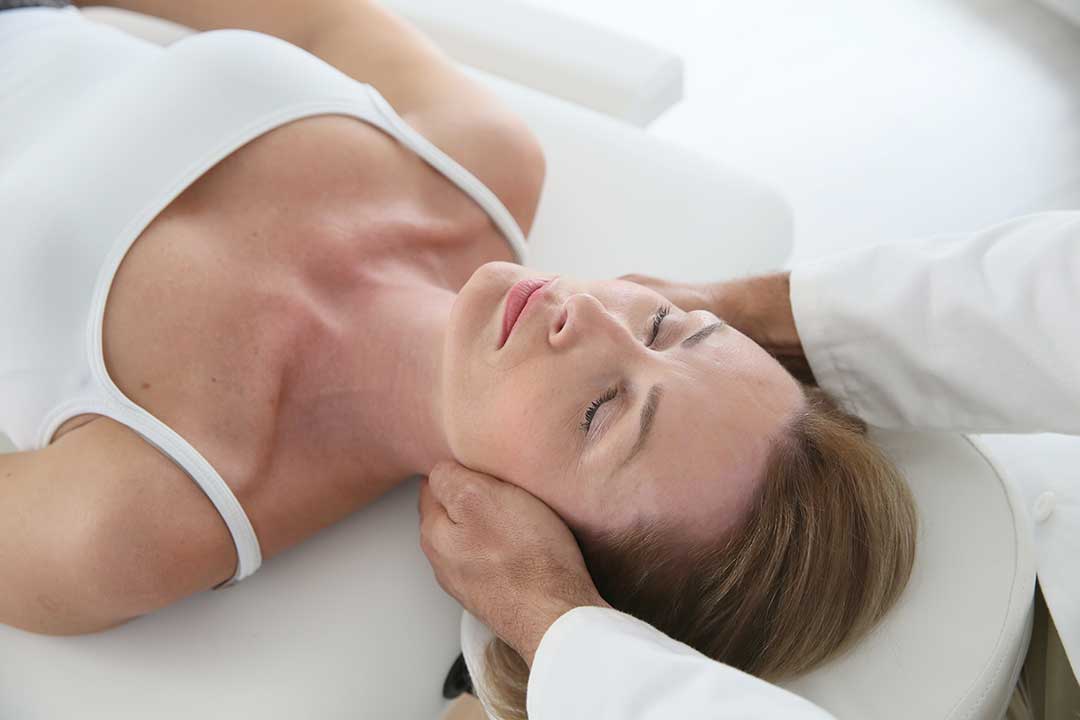
Cold weather, reduced daylight, icy walking conditions, and more time indoors can change activity patterns during the winter months. Those factors may contribute to stiffness, reduced exercise, disrupted sleep, or increased isolation. They do not prove that anxiety is caused by a spinal problem, but they can create physical symptoms that overlap with stress.
A careful evaluation should distinguish ordinary muscle tension from symptoms that need medical or mental health assessment.
Are there situations where chiropractic care may not be appropriate?
Yes. Certain symptoms require prompt medical attention rather than routine manual treatment.
Seek urgent medical help for anxiety-like symptoms accompanied by chest pressure, fainting, severe shortness of breath, sudden weakness, confusion, or new neurological changes. Neck manipulation also deserves particular caution for people with certain vascular, neurological, bone, inflammatory, or bleeding-related conditions. A complete health history should be reviewed before any treatment.
Mental health warning signs matter as well. Thoughts of self-harm, inability to stay safe, severe panic, or rapidly worsening symptoms require immediate crisis or emergency support rather than relying on chiropractic care.
What questions should be asked before treatment?
A person considering chiropractic care for anxiety-related tension can ask:
- What physical problem is being evaluated?
- Is the proposed care intended for pain and mobility, or is it being presented as an anxiety treatment?
- What evidence supports the recommended technique?
- Are gentler options available?
- What symptoms would mean treatment should stop?
- How will progress be measured?
- Should a primary care or mental health professional also be involved?
Clear answers help keep the purpose of treatment realistic. Claims that an adjustment can correct a chemical imbalance, cure an anxiety disorder, or replace psychotherapy and medication are not supported by current evidence.
For many people, the most useful approach is coordinated care: appropriate treatment for anxiety, practical attention to sleep and activity, and separate evaluation of any neck, back, headache, or joint problem that may be adding to the physical burden.
