
 See Our Latest Article on HelloNation
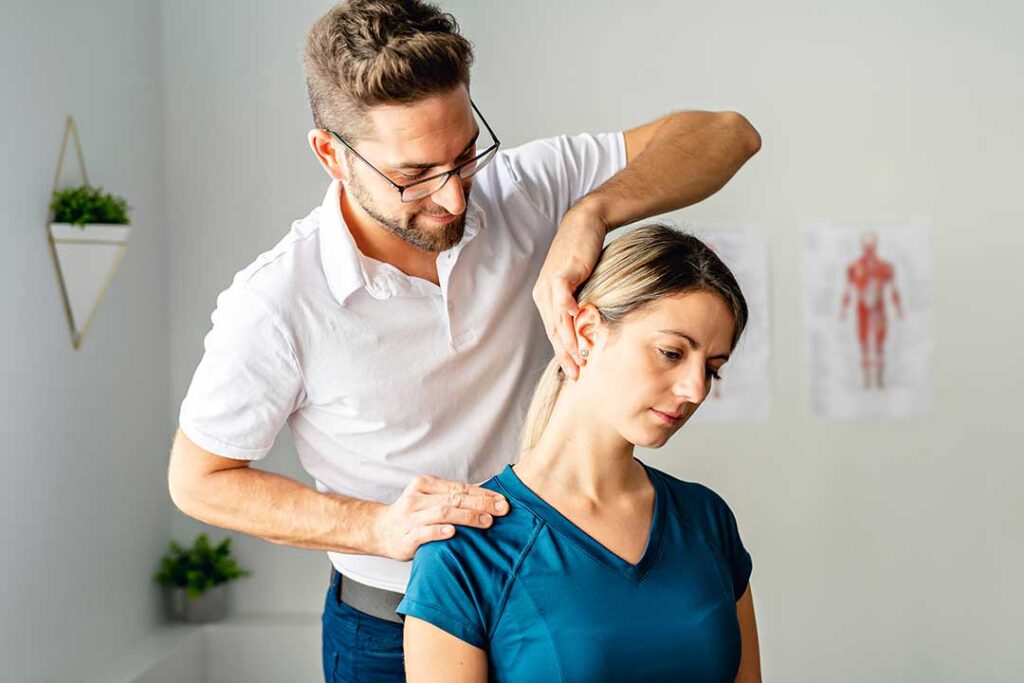
Children and students spend many hours sitting, reading, writing, using computers, and carrying school materials. Poor positioning does not automatically cause injury, but repeated strain can contribute to neck discomfort, back pain, headaches, tired eyes, and reduced concentration. Ergonomic habits help the body stay supported while it grows and changes.
For families in Potsdam, NY, ergonomics also needs to account for seasonal routines. Winter clothing, indoor study areas, snow-related activities, and long stretches of homework or screen use can all affect posture and movement.
What does good posture look like for a child or student?
Good posture is a balanced, comfortable position that allows the head, shoulders, spine, hips, and feet to share the workload. It does not mean sitting stiffly or holding a “perfect” position all day.
At a desk or table, aim for:
- The head generally positioned over the shoulders rather than pushed forward
- Shoulders relaxed instead of lifted or rounded tightly
- Elbows close to the body, usually bent near a right angle
- Forearms supported when possible
- Hips level and positioned toward the back of the chair
- Both feet supported by the floor or a stable footrest
- Knees bent comfortably, with enough room behind them
- The work surface close enough that the child does not lean forward repeatedly
Children naturally move more than adults. Shifting position, standing briefly, or kneeling occasionally is not necessarily a problem. A comfortable child who can change positions is often better supported than one who is forced to remain rigid.
How should a homework station be arranged?
A homework area should fit the child rather than requiring the child to adapt to furniture that is too large. The chair height should allow the feet to rest securely, and the desk should be low enough that the shoulders remain relaxed while writing or typing.
If a chair is too tall, a firm footrest can help. A stack of stable books may work temporarily, but it should not slide or tip. If the desk is too high, raising the seat without supporting the feet can leave the legs dangling and increase pressure behind the thighs.
Writing materials should be placed near the front of the work area. Children should not have to reach repeatedly across a deep table. A slanted surface, such as a sturdy angled writing board, may make reading and writing more comfortable by reducing the need to bend the neck sharply.
Lighting also matters. A desk lamp can reduce shadows on written work, while natural light is useful if it does not create glare on a screen. In winter, when daylight hours are shorter, families may need to pay closer attention to whether the study area is adequately lit.
Where should a computer or tablet be placed?
Screens should be positioned so the child can see clearly without bending the neck far forward. For a laptop or tablet, the ideal arrangement is often difficult because the screen and keyboard are attached. If the device is used for a long assignment, raising the screen and using a separate keyboard may help.
A screen should generally be:
- Close enough to read without leaning toward it
- Positioned near eye level or slightly below
- Free from strong glare
- Centered in front of the user rather than far to one side
Children should avoid regularly working with a tablet flat on their lap or with a laptop placed on a soft bed. These positions encourage a rounded back and forward head posture. A pillow may feel comfortable at first but usually does not provide stable support for extended study.
For phones, holding the device at chest or eye level is usually easier on the neck than looking down for long periods. The goal is not to eliminate screen use but to break up sustained positions.
How often should children take movement breaks?
Children benefit from frequent changes in position, especially during homework, gaming, reading, or online learning. A short movement break every 20 to 30 minutes can be useful, although the exact timing may vary with age, attention span, and the task.
A break does not need to be complicated. Examples include:
- Standing and reaching overhead
- Walking to get water
- Looking across the room to relax the eyes
- Rolling the shoulders gently
- Stretching the calves and hips
- Doing a few slow squats or marching in place
During longer assignments, alternating sitting with standing can reduce fatigue. Younger children may naturally move if the study area allows it. Older students may need reminders because concentration can make them unaware of tension building in the neck, shoulders, or lower back.
Can backpacks cause back or shoulder discomfort?
Backpacks are more comfortable when they fit properly and are not overloaded. The bag should sit close to the body, with both shoulder straps used. A backpack that hangs low or swings from one shoulder can increase uneven loading.
Helpful habits include:
- Carrying only what is needed for the day
- Placing heavier items close to the back
- Adjusting straps so the bag rests near the middle of the back
- Using a waist or chest strap when available and appropriate
- Avoiding a bag that causes leaning, shoulder elevation, or difficulty walking
Winter layers can make backpack straps feel tighter or change how the bag sits. After putting on a coat, students may need to readjust the straps rather than allowing the backpack to hang farther away from the body.
Backpack discomfort should not be dismissed if it is persistent, worsening, or accompanied by numbness, tingling, weakness, or changes in walking.

What ergonomic mistakes are easy to overlook?
Some common problems are less obvious than slouching. A child may sit upright but still experience strain if the desk is too high, the feet are unsupported, or the screen is positioned off to one side.
Other overlooked factors include:
- Doing homework on the floor for long periods without changing position
- Reading in bed with the neck bent forward
- Using a couch that is too deep to support the lower back
- Holding a phone between the shoulder and ear
- Studying in a cold room while tightening the shoulders
- Wearing bulky clothing that restricts comfortable movement
- Carrying sports equipment and school materials together in one overloaded bag
Comfort should be evaluated over time. A position that feels acceptable for five minutes may become tiring after an hour.
When should discomfort be taken seriously?
Occasional stiffness after a long study session often improves with movement and rest. Symptoms deserve more attention when they persist, interfere with school or sleep, or repeatedly return despite changes to the study setup.
Parents and caregivers should ask about:
- Pain that is becoming more frequent or intense
- Numbness, tingling, or weakness
- Headaches associated with prolonged screen use
- Pain that causes a child to avoid normal activities
- Limping, balance changes, or unusual difficulty moving
- Symptoms following a fall, collision, or other injury
A child should receive appropriate medical evaluation after a significant injury or when symptoms are severe, progressive, or associated with weakness, loss of coordination, fever, or other concerning changes. Ergonomic adjustments can reduce daily strain, but they do not replace evaluation when a health problem may be present.
How can families make ergonomic habits easier to maintain?
The most effective changes are simple enough to repeat. Instead of focusing on posture throughout every minute of the day, families can check the chair, screen, lighting, backpack, and movement routine once or twice daily.
A brief household routine might include:
- Adjusting the chair and foot support before homework
- Placing the screen directly in front of the student
- Setting a reminder for movement breaks
- Packing the backpack with only necessary materials
- Encouraging outdoor or indoor movement after long periods of sitting
The goal is a study environment that supports movement, comfort, and attention. Growing children do not need expensive furniture or constant correction. They need appropriately sized equipment, regular changes in position, and adults who notice when discomfort becomes a pattern.
