
 See Our Latest Article on HelloNation
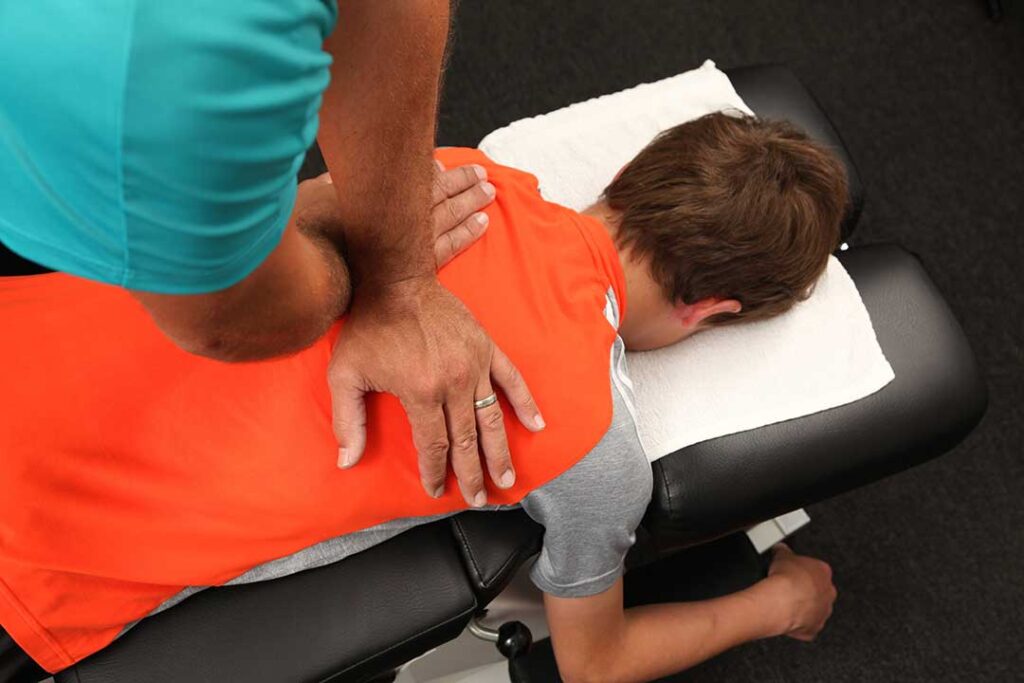
A comfortable sleeping position can reduce strain on the neck, back, hips, and shoulders, but there is no single position that works for everyone. The most supportive choice is usually the one that keeps the spine relatively neutral, distributes pressure evenly, and allows the muscles to relax.
What is the healthiest sleeping position for the spine?
For many adults with back discomfort, side sleeping or back sleeping provides the best support. Side sleeping can keep the spine aligned when the knees and hips are slightly bent and a pillow is placed between the knees. Back sleeping may be more comfortable when a pillow supports the knees and another supports the neck without pushing the head too far forward. ([mayoclinic.org](https://www.mayoclinic.org/diseases-conditions/back-pain/in-depth/sleeping-positions/art-20546852?utm_source=openai))
“Neutral” does not mean holding the back rigidly straight. It means avoiding large twists, excessive arching, or bending that leaves one part of the body unsupported for hours. Small adjustments to pillows and leg position can make a meaningful difference.
Sleepers also move during the night. There is no need to force the body to remain in one position until morning. A comfortable position that changes naturally is generally more realistic than trying to maintain a fixed posture. ([dgft.nhs.uk](https://www.dgft.nhs.uk/pil/acute-low-back-pain/?utm_source=openai))
Is side sleeping good for back and neck health?
Side sleeping is often a practical choice for people with low-back pain, stiffness, or discomfort related to prolonged sitting. Keep the head level with the rest of the spine rather than allowing it to tilt sharply toward the mattress or ceiling.
Try the following arrangement:
- Bend the knees slightly instead of curling tightly into a ball.
- Place a pillow between the knees, extending from the thighs toward the ankles if possible.
- Use a head pillow thick enough to fill the space between the shoulder and the side of the head.
- Keep the shoulders and hips facing generally forward rather than twisting the upper body away from the pelvis.
- Avoid placing the lower arm underneath the head for the entire night if it causes shoulder or neck pressure.
A pillow between the knees helps prevent the upper leg from dropping forward and rotating the pelvis. That support can reduce pulling through the lower back and hips. A full-length body pillow may be useful if it is difficult to keep the legs aligned. ([mayoclinic.org](https://www.mayoclinic.org/diseases-conditions/back-pain/in-depth/sleeping-positions/art-20546852?utm_source=openai))
Some people notice less snoring when sleeping on their side because the airway is less likely to narrow than when lying flat on the back. However, persistent loud snoring, gasping, witnessed breathing pauses, or severe daytime sleepiness may indicate a sleep-related breathing problem rather than a simple posture issue. ([newsnetwork.mayoclinic.org](https://newsnetwork.mayoclinic.org/discussion/mayo-clinic-minute-what-is-the-best-sleeping-position/?utm_source=openai))
Can back sleeping help the lower back?
Back sleeping can be comfortable when the lower legs are supported. Place a pillow under the knees so the hips and knees are slightly bent. This may reduce the amount of arching in the lower back and allow tight back muscles to relax.
The head pillow should support the natural curve of the neck without forcing the chin toward the chest. A pillow that is too high may create neck flexion, while one that is too flat may allow the head to fall backward.
If a small gap beneath the lower back feels unsupported, a thin rolled towel may help, but added support should not create pressure or increase pain. The goal is comfort and balanced support, not a rigid setup. ([mayoclinic.org](https://www.mayoclinic.org/diseases-conditions/back-pain/in-depth/sleeping-positions/art-20546852?utm_source=openai))
Back sleeping is not ideal for everyone. People who snore heavily or have known sleep apnea may have more airway obstruction when lying on the back. Side sleeping is often preferred in those situations, although sleep position does not replace appropriate medical evaluation or treatment. ([newsnetwork.mayoclinic.org](https://newsnetwork.mayoclinic.org/discussion/mayo-clinic-minute-what-is-the-best-sleeping-position/?utm_source=openai))
Why can stomach sleeping bother the spine?
Stomach sleeping often places the neck in prolonged rotation because the head must turn to one side for breathing. It can also increase the amount of arching through the lower back, particularly when the mattress allows the abdomen and hips to sink.
If changing positions is difficult, reduce strain by:
- Using a very thin head pillow or no pillow if that is comfortable.
- Placing a thin pillow beneath the hips or lower abdomen.
- Alternating the direction the head turns rather than always facing the same side.
- Gradually practicing side or back sleeping for part of the night.
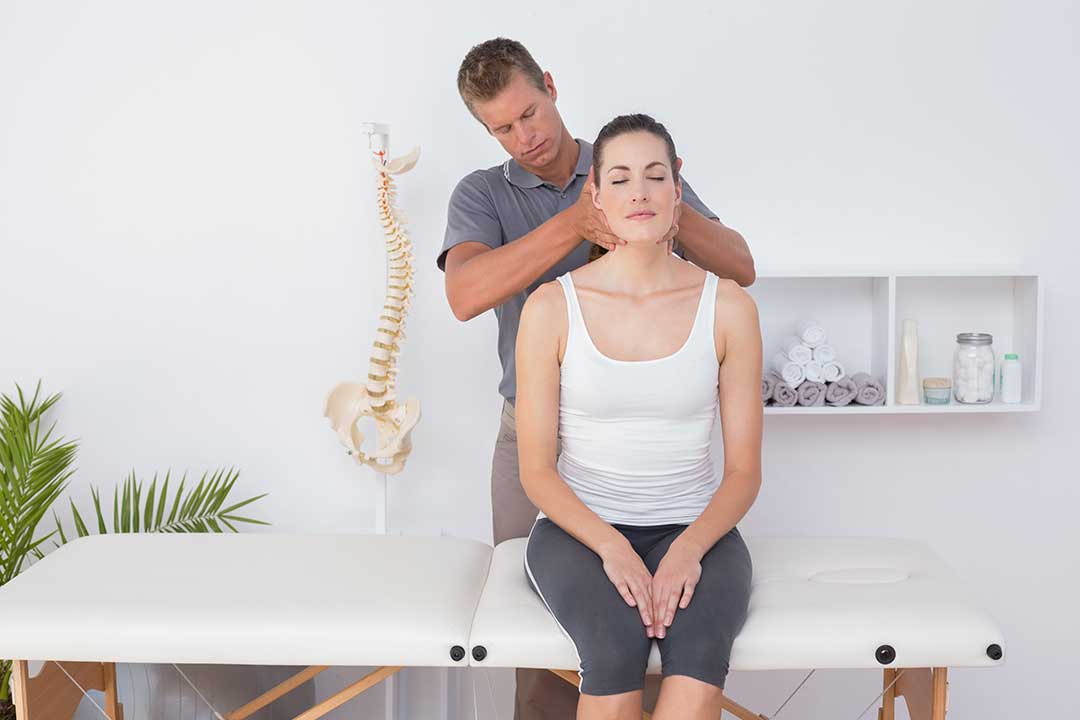
These adjustments may make stomach sleeping less stressful, but side or back sleeping is generally preferred when the goal is to reduce spinal strain. ([mayoclinic.org](https://www.mayoclinic.org/diseases-conditions/back-pain/in-depth/sleeping-positions/art-20546852?utm_source=openai))
How should pillows be arranged for spinal alignment?
Pillows should fill unsupported spaces without forcing the body into a new angle. The correct height depends on sleeping position, shoulder width, mattress firmness, and individual anatomy.
A useful check is to have someone look at the neck and upper back from behind while lying down. The head should not visibly tilt up, down, or sharply sideways. For side sleepers, the pillow usually needs more height than for back sleepers because it must bridge the shoulder-to-mattress distance.
For residents managing colder nights and heavier bedding, avoid piling thick blankets or heavy comforters under the knees or shoulders in a way that twists the body. Warmth can be maintained without sacrificing a level, supported position. If a heating device is used, follow its safety instructions and avoid sleeping directly against equipment that can become hot.
Does mattress firmness determine spinal health?
A mattress does not need to be extremely firm to support the spine. Excessive firmness can create pressure at the shoulders and hips, while excessive softness may allow the pelvis to sink and the spine to rotate.
The better test is how the body feels during the night and after getting up. A mattress may need closer attention if it causes repeated morning stiffness, visible sagging, frequent tossing, or discomfort that improves after leaving the bed. A supportive sleep surface should allow the shoulders and hips to settle without leaving the trunk twisted.
Changing the sleeping position is often worth trying before replacing the mattress. Pillow placement, especially between the knees or beneath them, can alter spinal loading without major expense.
When is nighttime back pain a reason to seek medical care?
Sleep-position adjustments are reasonable for mild, position-related stiffness, but they should not be used to explain away warning signs. Medical assessment is appropriate for back pain that follows a significant injury, steadily worsens, or is accompanied by weakness, numbness, fever, unexplained weight loss, or pain that is severe and unrelenting.
Immediate evaluation is warranted for back pain with new loss of bladder or bowel control, numbness around the groin or saddle area, or significant weakness in the legs. These symptoms can signal serious nerve involvement. ([niams.nih.gov](https://www.niams.nih.gov/health-topics/back-pain/diagnosis-treatment-and-steps-to-take?utm_source=openai))
For most sleepers, the practical starting point is simple: try the side position with a pillow between the knees, or the back position with a pillow beneath the knees. Keep the neck supported, avoid forced twisting, and judge the arrangement by comfort during the night and symptoms the following morning.
