
 See Our Latest Article on HelloNation
Can foot pain affect spinal alignment?
Yes. Foot pain can change the way a person stands and walks, and those changes may place extra stress on the ankles, knees, hips, pelvis, and lower back. The relationship works in both directions: altered foot mechanics may contribute to back discomfort, while irritation of nerves in the lower spine can sometimes be felt in the leg, ankle, or foot.
This does not mean every case of foot pain comes from the spine, or that every back problem begins in the feet. Foot injuries, arthritis, tendon problems, nerve conditions, footwear, and circulation issues can all cause symptoms. The useful question is whether the entire movement pattern is involved.
How does the foot influence the rest of the body?
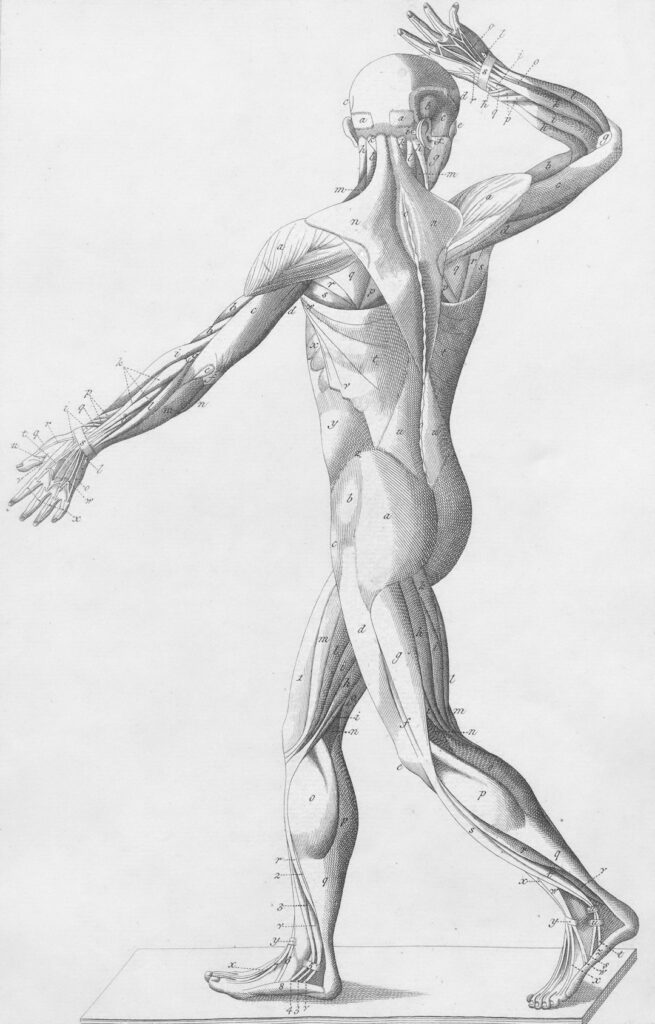
The foot is the body’s first major contact point with the ground. During walking, it must absorb impact, adapt to uneven surfaces, and provide a stable platform for the leg. If the foot rolls inward excessively, remains unusually rigid, or becomes painful to load, the body may compensate higher up.
A common pattern can look like this:
- The foot changes how it contacts the ground.
- The ankle and lower leg rotate differently.
- The knee and hip adjust to maintain balance.
- The pelvis shifts or tilts.
- Muscles around the lower back work harder to keep the trunk upright.
These changes are usually subtle rather than dramatic. A person may notice that one shoe wears unevenly, one shoulder sits slightly higher, or one leg feels more tired after walking. Over time, repeated compensation may contribute to soreness, stiffness, or reduced tolerance for standing.
The spine is not a rigid stack of perfectly straight bones. It naturally has curves that help distribute weight. “Spinal alignment” is best understood as how the spine, pelvis, and limbs coordinate during movement—not as a single ideal posture that looks identical for everyone.
What foot problems are most likely to affect walking mechanics?
Painful or restricted movement in several parts of the foot and ankle can change gait. Examples include plantar fascia irritation, Achilles tendon problems, ankle stiffness, bunions, stress injuries, arthritis, and lingering effects from an ankle sprain.
A painful heel may cause someone to shorten the stride or avoid placing weight on the back of the foot. Pain near the ball of the foot may lead to less push-off through the toes. A stiff big toe can reduce the normal forward roll of the body during walking.
Cold winters and changing outdoor conditions in Potsdam can also influence daily movement. Snow, ice, packed surfaces, and uneven walkways may encourage shorter steps, guarded movements, or altered balance. Winter footwear can add stability, but heavy or inflexible boots may also change ankle motion. Indoor habits matter too: spending more time on hard floors, reducing outdoor activity, or suddenly returning to longer walks in spring can expose areas that have become deconditioned.
Can a problem in the spine cause foot pain?
Yes. Pain, tingling, burning, numbness, or weakness that travels from the lower back or buttock down the leg may be related to irritation of a spinal nerve. Symptoms can sometimes reach the calf, ankle, or foot even when back pain is mild or absent.
Clues that foot symptoms may involve the nervous system include:
- Electric, shooting, or burning pain
- Numbness or pins-and-needles sensations
- Weakness when lifting the foot or standing on the toes
- Symptoms that change with sitting, bending, coughing, or certain positions
- Pain that travels along one side of the leg
This pattern differs from many local foot problems, which are often more tender in a specific spot and are affected mainly by pressure, footwear, or the first steps after rest. Still, symptoms can overlap, so location alone cannot establish the cause.
What does an evaluation usually consider?
A useful assessment looks at more than the painful area. It may include the history of the problem, recent injuries, activity changes, footwear, balance, walking pattern, joint movement, muscle strength, and sensation.
Questions that help clarify the pattern include:
- Did the pain begin after a fall, twist, change in exercise, or change in shoes?
- Is it worse with the first steps, prolonged standing, stairs, or sitting?
- Does it affect one side or both?
- Is there swelling, redness, bruising, or warmth?
- Is there numbness, tingling, or weakness?
- Has walking changed because of the pain?

A person may have more than one contributing factor. For example, a local heel problem can lead to protective walking, while separate hip or lower-back stiffness makes the compensation more noticeable. Good assessment avoids assuming that one finding explains every symptom.
What practical steps may help at home?
For mild symptoms without warning signs, reducing aggravating activity for a short period can help. That does not necessarily mean complete rest. Gentle movement is often better tolerated than remaining still for long periods.
Useful measures may include:
- Wearing supportive, comfortable footwear that does not squeeze the toes
- Avoiding sudden increases in walking, running, or standing time
- Using caution on icy or uneven surfaces
- Alternating demanding activities with easier movement
- Performing gentle ankle, calf, hip, and lower-back mobility exercises
- Paying attention to whether one shoe is worn down much more than the other
- Keeping a brief record of when symptoms occur and what changes them
Pain should not be used as a test of whether the body is “realigning.” Forceful stretching, aggressive self-adjustment, or poorly fitted inserts may aggravate symptoms. Foot supports can be helpful for some people, but they should match the problem rather than be treated as a universal solution.
When should foot pain be evaluated promptly?
Medical evaluation is appropriate when pain persists, repeatedly returns, interferes with ordinary walking, or follows a significant injury. Prompt attention is especially important for people with diabetes, reduced circulation, loss of sensation, or conditions that affect bone strength.
Urgent care may be needed for a foot that is severely swollen, visibly deformed, unusually cold or discolored, or impossible to bear weight on. New or worsening weakness, loss of bladder or bowel control, numbness around the groin or saddle area, or severe back pain with progressive leg symptoms requires urgent medical attention.
Foot pain is not automatically a sign of spinal misalignment. The most reliable approach is to consider the foot, leg, pelvis, spine, nerves, footwear, and daily environment as one connected movement system. That broader view can help residents distinguish ordinary soreness from a pattern that deserves further evaluation.
