
 See Our Latest Article on HelloNation
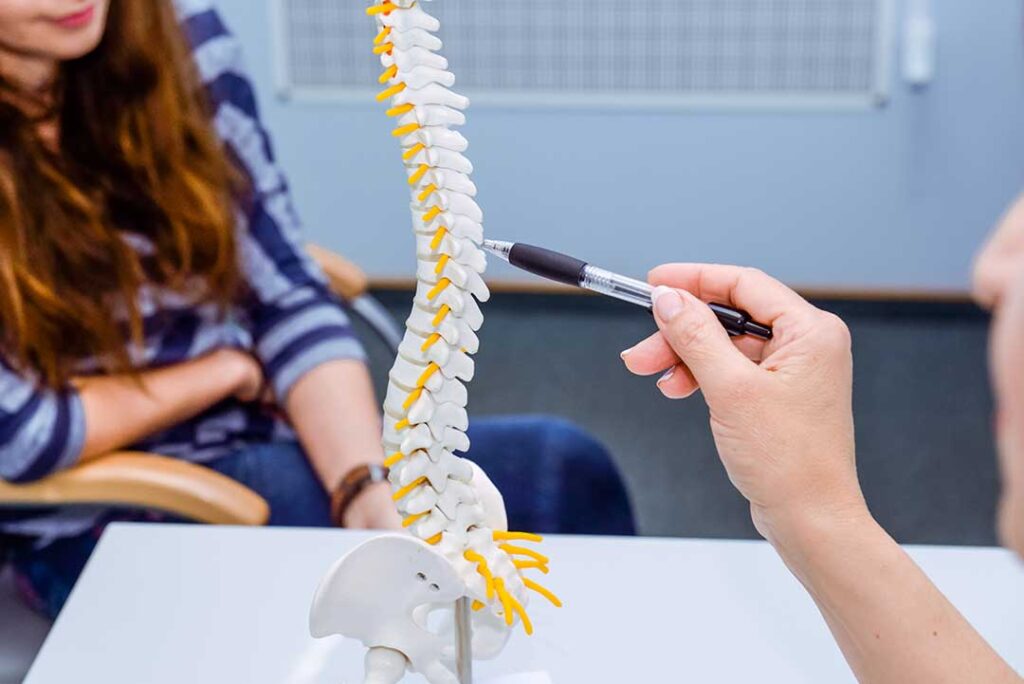
Arthritis can make ordinary activities—walking, dressing, climbing stairs, shoveling, or opening jars—more difficult. The most useful approach is usually not a single treatment, but a coordinated plan that combines appropriate movement, joint protection, symptom relief, and medical evaluation when needed.
For residents of Potsdam, NY, seasonal cold, snow removal, icy walking surfaces, and long periods spent indoors can add practical challenges. The goal is to stay active without repeatedly irritating painful joints.
What should people know before trying chiropractic care for arthritis?
Chiropractic care may help some people manage related muscle and joint discomfort, but it does not cure arthritis or reverse joint damage. The safest plan begins by identifying the type of arthritis involved and determining whether the main problem is joint inflammation, stiffness, reduced mobility, muscle weakness, or another condition.
Arthritis includes many disorders. Osteoarthritis commonly affects the knees, hips, hands, and spine, while rheumatoid arthritis and other inflammatory conditions may require disease-specific medical treatment. A diagnosis may involve a health history, physical examination, imaging, or laboratory tests. ([cdc.gov](https://www.cdc.gov/arthritis/basics/index.html?utm_source=openai))
A chiropractor may use:
- Gentle joint mobilization
- Soft-tissue techniques
- Movement and posture guidance
- Exercises for flexibility, balance, or muscle support
- Spinal manipulation in selected cases
Manual treatment is generally most useful as part of a broader exercise and self-management plan rather than as a replacement for movement or medical care. Evidence and safety depend on the joint involved, the person’s health history, and the specific technique used.
Is spinal manipulation appropriate for everyone with arthritis?
No. A careful evaluation is necessary before forceful or high-velocity techniques are considered. Spinal manipulation may cause temporary soreness, stiffness, headache, or increased discomfort. Serious complications are rare, but they have been reported, and underlying health problems can increase risk. ([nccih.nih.gov](https://www.nccih.nih.gov/health/spinal-manipulation-what-you-need-to-know?utm_source=openai))
People should disclose conditions and medications that may affect safety, including:
- Osteoporosis or a history of fractures
- Recent surgery or significant injury
- Blood-clotting disorders or use of blood thinners
- Cancer affecting bone
- Severe spinal stenosis
- Numbness, weakness, or changes in coordination
- Inflammatory arthritis that is currently flaring
- Recent unexplained weight loss or fever
Gentler options, such as controlled mobilization, range-of-motion work, or exercise instruction, may be more suitable than thrust-based treatment for some individuals. Treatment should be adjusted if symptoms worsen rather than assuming increased discomfort is normal.
Which daily habits help reduce arthritis stiffness?
Regular, joint-friendly movement is one of the most consistently recommended ways to manage arthritis. Physical activity can reduce pain, improve function and mood, and help preserve independence. It can be divided into short periods; even five- or ten-minute sessions are a reasonable starting point for someone who has been inactive. ([cdc.gov](https://www.cdc.gov/arthritis/prevention/index.html?utm_source=openai))
Useful choices may include:
- Walking on cleared, level surfaces
- Stationary cycling
- Water exercise
- Gentle stretching
- Tai chi
- Light strengthening with resistance bands
- Range-of-motion exercises for the hands, shoulders, hips, or knees
During winter, icy sidewalks and uneven packed snow can increase fall risk. Indoor walking, seated exercises, or a stationary bike may be safer during poor conditions. Supportive footwear, adequate lighting, and keeping frequently used paths clear can also reduce unnecessary strain.
A practical rule is to increase activity gradually. Mild, short-lived soreness can occur when beginning a new routine, but sharp pain, limping, marked swelling, or symptoms that continue well after exercise are signals to reduce the activity and seek medical advice. ([archive.cdc.gov](https://archive.cdc.gov/www_cdc_gov/arthritis/basics/physical-activity/pain.html?utm_source=openai))
Should heat or cold be used for arthritis pain?
Heat often helps stiffness, while cold may be more useful for swelling or a recently irritated joint. Both should be used for limited periods with a layer of fabric protecting the skin.
Examples include:
- A warm shower or heating pad before gentle movement
- A cold pack after overuse or when a joint feels swollen
- Warm gloves or mittens for stiff hands during cold-weather tasks
- Alternating activity with brief rest rather than remaining still for long periods

Heat and cold are conditionally recommended options for some people with osteoarthritis of the hand, hip, or knee. They should not be applied over areas with reduced sensation, poor circulation, or damaged skin without medical guidance. ([arthritis.org](https://www.arthritis.org/getmedia/d57cf9f5-e096-43a2-832d-dbc174065a58/Kolasinski-2020-american-college-of-rheumatology-a.pdf?utm_source=openai))
Cold weather does not necessarily cause arthritis, but lower temperatures may make stiffness feel more noticeable. Staying warm, moving periodically, and avoiding sudden heavy activity after long periods of inactivity can make seasonal tasks more manageable.
How can people protect their joints at home?
Joint protection means reducing unnecessary force while continuing to use the body. It does not mean avoiding all activity.
Helpful adjustments include:
- Carrying smaller loads instead of one heavy load
- Using both hands for bulky objects
- Keeping frequently used items between waist and shoulder height
- Using larger joints and stronger muscles when pushing, pulling, or lifting
- Taking brief breaks during housework, gardening, or snow-related tasks
- Alternating demanding activities with lighter ones
- Using a stable handrail on steps
- Avoiding prolonged gripping or kneeling when a task can be modified
For people who shovel or clear snow, repeated twisting while lifting can aggravate the back, hips, knees, and shoulders. Smaller amounts moved more frequently, maintaining a neutral back position, and stopping before fatigue becomes severe may reduce strain. If a task causes sudden pain, weakness, dizziness, or loss of balance, it should be stopped.
When should arthritis symptoms be medically evaluated?
New or worsening joint symptoms deserve attention, particularly when the diagnosis is uncertain. Prompt medical evaluation is appropriate for a joint that is hot, red, rapidly swollen, or severely painful, especially with fever. These symptoms can indicate infection, crystal arthritis, or another condition requiring urgent treatment.
Other reasons to seek evaluation include:
- Persistent morning stiffness lasting a long time
- Pain that repeatedly interrupts sleep
- Progressive weakness or loss of function
- Numbness, tingling, or bowel or bladder changes
- A joint that locks, gives way, or cannot bear weight
- Symptoms following a fall or other injury
- Unexplained fatigue, fever, or weight loss
Rheumatoid arthritis and other inflammatory disorders may need medication to limit disease activity and protect joints. Chiropractic treatment should not delay evaluation or replace prescribed care. The CDC notes that arthritis management may include physical activity, joint protection, weight management, physical therapy, medications, and other treatments depending on the diagnosis. ([cdc.gov](https://www.cdc.gov/arthritis/basics/index.html?utm_source=openai))
What is a realistic arthritis management plan?
A practical plan usually includes a confirmed diagnosis, regular low-impact movement, gradual strengthening, attention to sleep and body weight, and strategies for handling flare-ups. Chiropractic care may be considered for selected musculoskeletal symptoms when it is coordinated with the person’s broader healthcare plan and adapted to individual risk.
For local residents, the most sustainable routine is often one that fits real conditions: indoor movement during icy weather, pacing during seasonal chores, warm-up time on cold mornings, and consistent activity rather than occasional strenuous efforts.
