
 See Our Latest Article on HelloNation
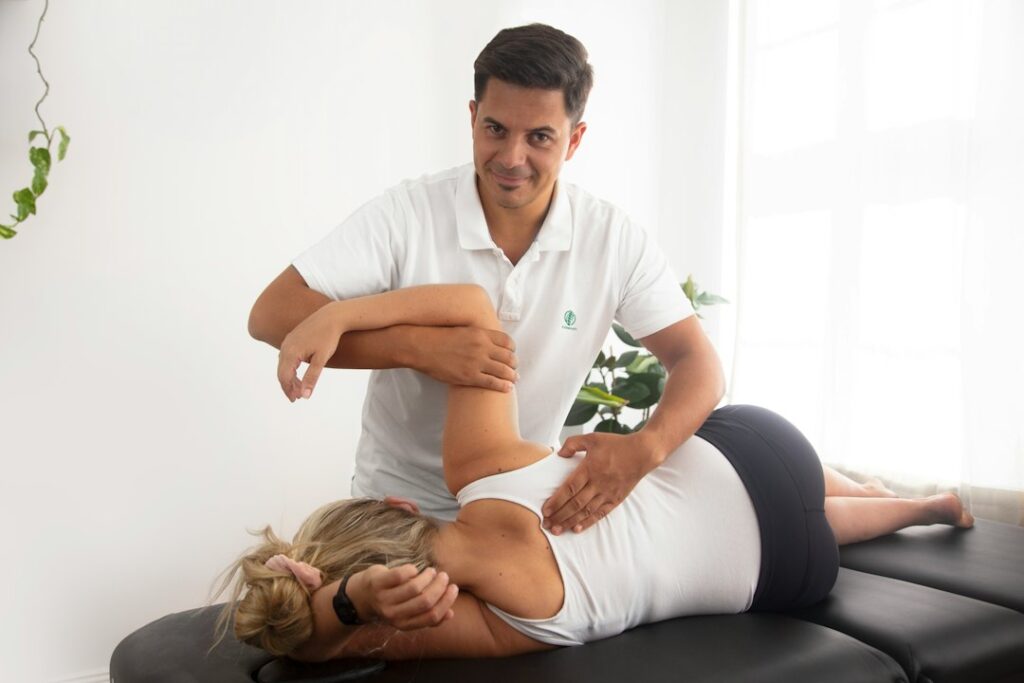
Can chiropractic care prevent sports injuries?
Chiropractic care may support sports injury prevention by addressing movement limitations, joint discomfort, muscle tension, and coordination problems before they interfere with activity. It is not a guarantee against injury, and it should be part of a broader plan that includes conditioning, recovery, protective equipment, sound technique, and appropriate medical care.
Sports injuries often develop through several small factors rather than one obvious event. A stiff ankle may change running mechanics. Weak hip muscles may place extra stress on the knee. Limited upper-back movement may affect throwing or lifting technique. A careful musculoskeletal assessment can help identify these patterns and guide exercises or other conservative care.
The goal is not to “realign” the body as a substitute for training. A more realistic goal is to improve comfort, mobility, and function so an athlete can move with better control.
What role can a chiropractor play before an injury occurs?
A chiropractor may evaluate how the spine, pelvis, shoulders, hips, knees, and ankles work together during common sports movements. The evaluation may include range-of-motion testing, muscle balance, posture, walking or running mechanics, and the history of previous injuries.
Depending on the findings, care may include:
- Joint mobilization or manipulation
- Soft-tissue techniques
- Mobility exercises
- Strengthening for weak or underused muscle groups
- Balance and coordination drills
- Advice about training loads, warm-ups, and recovery
Spinal manipulation is one technique used in chiropractic care, but it is not appropriate for every person or every problem. Some athletes may benefit more from exercise instruction, mobility work, or referral for another type of evaluation.
A responsible prevention plan should be specific to the sport and the individual. A hockey player, runner, skier, recreational lifter, and youth soccer player may have very different movement demands.
Which athletes may benefit from preventive evaluation?
Preventive care may be especially useful for people who repeatedly experience the same type of problem, are returning after an injury, or are starting a new activity after a period of inactivity.
Examples include:
- A runner who develops recurring shin, hip, or low-back discomfort
- A skier who notices restricted ankle or hip motion
- A youth athlete growing quickly and struggling with coordination
- A recreational athlete returning to activity after the winter
- A person beginning strength training without prior lifting experience
- An athlete whose performance changes because of persistent stiffness or soreness
For residents in Potsdam, seasonal changes can affect activity patterns. Outdoor training may increase during spring and summer, while winter activities can involve snow, ice, cold muscles, and sudden increases in weekend activity. Moving from a relatively inactive season into intense practices or long recreational sessions can raise injury risk.
Preventive care is most useful when it identifies a modifiable issue early. Pain that is worsening, severe, or associated with weakness, numbness, swelling, instability, or loss of function needs a more complete medical evaluation.
Does chiropractic care replace stretching, strength training, or physical therapy?
No. Chiropractic care does not replace conditioning or rehabilitation. Strong muscles, adequate balance, good technique, and gradual progression remain central to injury prevention.
A practical training plan usually includes:
- A gradual warm-up that raises body temperature
- Sport-specific movement preparation
- Strength training for the legs, trunk, shoulders, or other heavily used areas
- Balance and coordination exercises
- Mobility work where restrictions affect technique
- Rest days and adequate sleep
- Gradual increases in practice duration and intensity

Physical therapy may be more appropriate when an athlete needs structured rehabilitation after surgery, a significant tear, a fracture, a neurological problem, or a complex movement impairment. Medical evaluation may be needed for suspected fractures, dislocations, major ligament injuries, infections, or unexplained symptoms.
Coordinated care is often more useful than relying on a single treatment method. A chiropractor, physician, physical therapist, athletic trainer, coach, and athlete may each contribute different information.
Can chiropractic adjustments make an athlete more flexible or less likely to get hurt?
An adjustment may temporarily improve joint motion or reduce discomfort for some people, but that does not automatically make an athlete more flexible, stronger, or protected from injury. Lasting improvements generally require active work such as strengthening, mobility exercises, balance training, and changes in technique or workload.
It is also a misconception that every athlete needs routine adjustments regardless of symptoms or movement findings. Preventive care should have a clear purpose. The relevant questions are:
- What movement or symptom is being addressed?
- How will improvement be measured?
- What exercises support the change?
- When should the plan be reassessed?
- What signs would require referral to another healthcare professional?
A treatment plan that relies only on repeated passive care, without attention to training habits and physical capacity, may overlook the main cause of recurring injuries.
How should athletes handle soreness after treatment or training?
Mild, short-lived soreness or stiffness can occur after manual therapy or an unfamiliar workout. It should generally be monitored rather than ignored. Hydration, light movement, sleep, and a temporary reduction in intensity may help, depending on the situation.
More concerning symptoms include increasing pain, significant swelling, loss of strength, numbness, severe headache, dizziness, chest pain, difficulty breathing, or inability to bear weight. These symptoms should not be attributed to ordinary post-treatment soreness.
People should also share relevant health information before spinal manipulation, including major medical conditions, recent injuries, medications, blood-clotting problems, osteoporosis, and neurological symptoms. Manual therapy is not risk-free, and the neck requires particular caution because serious complications, although rare, have been reported.
What should athletes know about concussions?
Chiropractic care should not be used to diagnose, clear, or manage a suspected concussion as a substitute for appropriate medical assessment. If an athlete has symptoms after a blow, bump, or jolt, the athlete should be removed from play and should not return the same day until evaluated and cleared according to appropriate medical guidance.
Possible concussion symptoms include headache, dizziness, confusion, blurred vision, nausea, unusual fatigue, sensitivity to light, slowed responses, and changes in behavior or concentration. Emergency care is needed for danger signs such as repeated vomiting, seizure, increasing confusion, weakness, slurred speech, or difficulty waking.
Helmets and other protective equipment can reduce the chance of some serious injuries, but no helmet prevents every concussion. Safe rules, proper technique, supervision, and honest symptom reporting remain essential.
What is the most practical prevention plan?
For most athletes, injury prevention is built from several manageable habits:
1. Increase activity gradually after time away.
2. Warm up before intense movement, especially in cold weather.
3. Strengthen areas that the sport repeatedly loads.
4. Do not train through sharp, escalating, or function-limiting pain.
5. Replace worn or damaged protective equipment.
6. Allow recovery between demanding sessions.
7. Address recurring movement problems rather than repeatedly treating flare-ups.
8. Seek timely evaluation after a significant injury.
Chiropractic can be one component of this process, particularly when the focus is on movement assessment, symptom management, exercise, and coordination with other care. Its value is greatest when it supports an athlete’s overall preparation rather than being presented as a stand-alone guarantee against sports injuries.
